
Policy Objectives
Policy 1: Increase housing and the affordability of that housing
Since the end of the second world war, North America as a whole has undergone a great experiment in urbanism, one of suburbs and car centric development. Most mornings on the radio one hears of traffic backups to get into the city each morning. Hemmingford stands on the cusp of a bunch of long lasting decisions on urban planning and population growth. Will we copy the cookie cutter development policies of the past 70 years, or will we forge ahead with older models of development refined for a modern age? Here is what I propose:
Diversity of housing options
Single family homes and condos seem to be the only thing people build in this day and age. This often leads to bland suburbs or a maze of large buildings. To be clear, condos and single family homes are important parts of the housing ecosystem, but they aren’t our only options. From tinyhomes and starter housing for singles and those who really don’t want a lot of space, to duplexes and triplexes, we have a lot of options between single family homes and condos.
Mixed use zoning
What on earth is mixed use zoning? This article from StrongTowns is a good primer:
This is a form of zoning that allows a certain amount of commercial spaces within a predominantly residential area. Think of Lambton Street in Ormstown where there are dwellings above the commercial establishments. Walkability is of paramount importance in the design. An example of what ideal mixed use is the cup of sugar experiment. How long, far, and by what method would you have to travel to get more sugar if you ran out halfway through cooking? Would it be a 5 minute walk, a 10 minute bike ride, or a half hour drive? How many stop signs and turns would one need to take? It seems rather trivial in Hemmingford but when you apply the thought process to places like Brossard, you’ll see that there can be quite the distance and it is typically by car. We are nowhere near Brossard or even Ormstown in terms of level of development, but now is the time to ask ourselves what do we want our community to look like 20, 40, or even 100 years from now. Our small actions now on zoning and neighbourhood building make a huge difference in the long run.
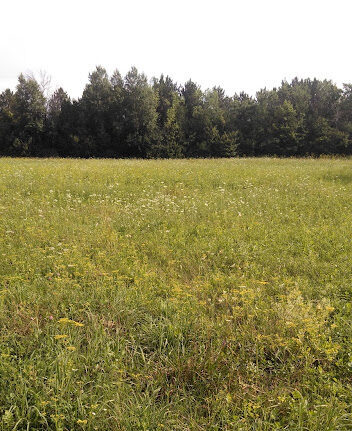
Policy 2: Preserve Agricultural land while enabling Agri-Business on premises
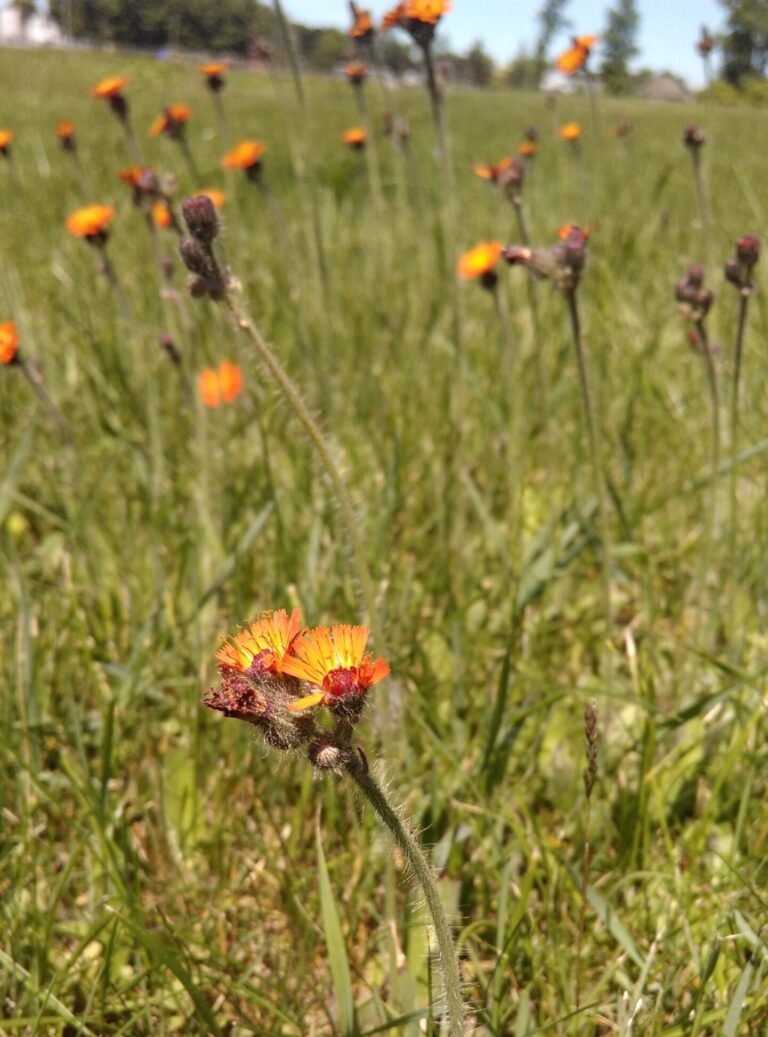
Hemmingford has a long history of agriculture and that needs to be nourished going into the new age of technology and urbanism. Agricultural producers often have their hands tied when they want to process their crops into a higher value product. Processing facilities are commercial and not permitted on agricultural lands without a long and often fruitless pile of bureaucracy with the provincial agency for the protection of agriculture. Furthermore, I have heard from many farmers and people who work close to the land that all the good farmland of the St. Lawrence River valley is being converted to urban sprawl and industry, and at the same time our stoney outcroppings are preserved as farmland even when their agricultural potential is low.
Some of the following ideas may not be completely feasible, but these are the ideas I would want to press towards if elected:
Create a framework for business on agricultural zoning
We can’t overhaul the CPTAQ overnight, and bogged down bureaucracy isn’t going anywhere, but we can create a framework with the CPTAQ to ensure that farmers don’t get locked out of the income that value-added products can create. By setting certain guidelines such as a minimum amount of on farm crop production in the final product, and a maximum land use as a percentage of total agricultural land area, a framework can be established that allows for municipal level of approval to projects that would otherwise take years for CPTAQ approval.
Evaluate Land usability for agriculture
As you drive around the municipality, you’ll notice varied soil types and rock formations. Some places are black muck, some are nice soils, some are very stoney, and other places are just bedrock. All have some level of agricultural potential, but not all are easily exploitable. By adjusting the zoning of areas that are exceptionally stoney or on bedrock for uses other than agriculture, we can facilitate more housing and light industry to ensure a livable space with local employment.
Policy 3: Improve and encourage non car transit options around the community
As alluded to in the first policy objective, moving away from car dependency is an important part of my platform. I am not anti-car, I believe that there are many many appropriate uses for cars in society. Being in an agrarian area, farmers and tradesmen need the ability to run for things quickly. However, our dependence on them for everyday tasks coupled with traffic congestion and the need to have parking where they start and end up means that car-dependent developments will be larger than needed compared to a walkable/bikeable neighbourhood. Here is what I suggest:
People paths
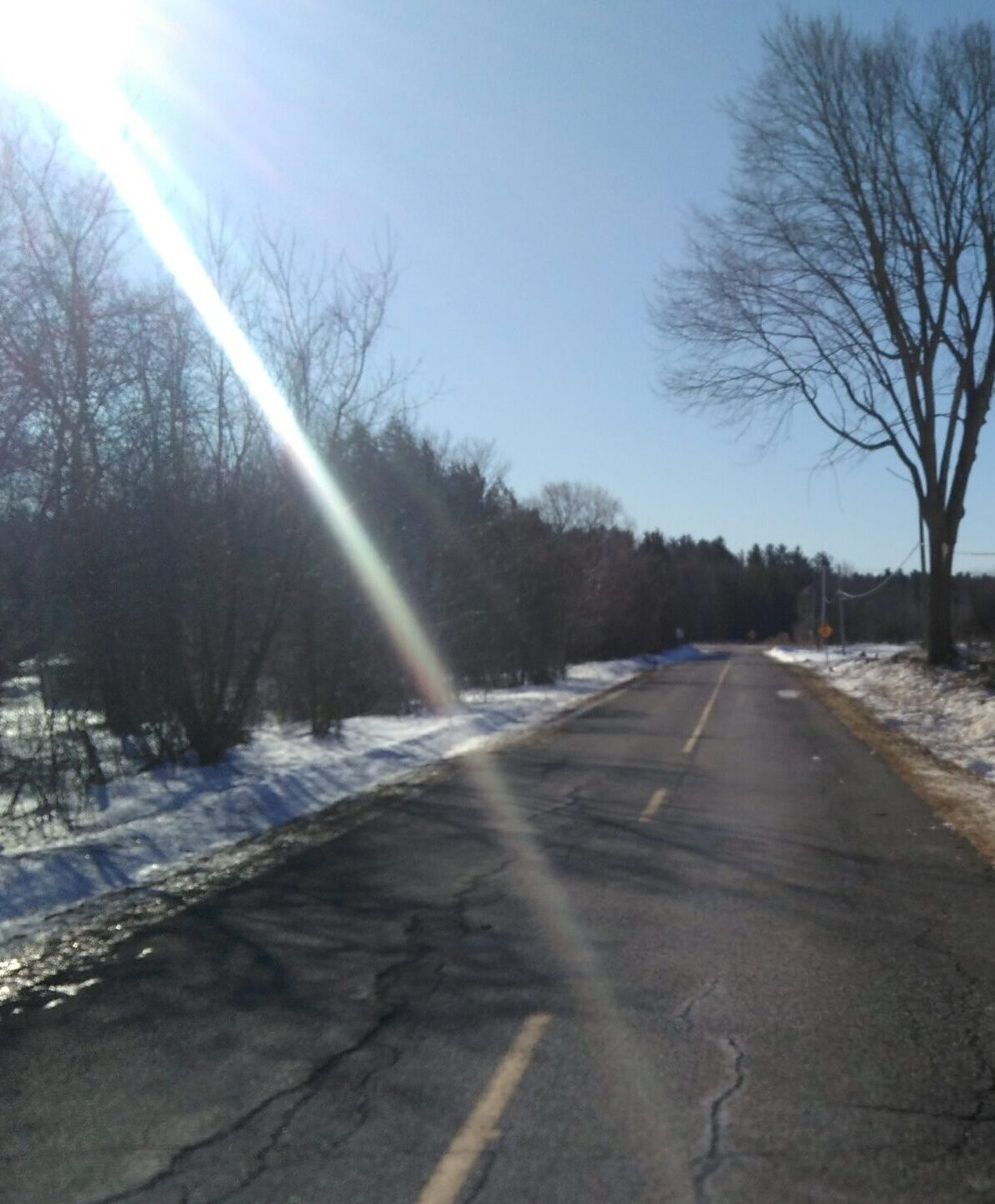
Be they sidewalks, bicycle paths, trams, busses, subways, or horse drawn carriages, spaces that are designed to move people from one place to another are an important part of my plan for the Hemmingford Community. Within a neighbourhood or connecting to other areas, the ability to ride safely and without being in the way of heavy trucks or being passed by fast cars is important. Oftentimes bike paths are added with curbs or other disruptions to the surface of a road, and with large agricultural machinery traversing the territory, it is important that the design of these paths co-located on a roadway be safe and effective for cyclists while also being accessible for farm equipment.
People Movers
These are the fancy people paths mentioned above. Anything that uses a motor or engine to move people from place to place. Basically public transit. This goal would be an MRC wide achievement as transit just within Hemmingford, while interesting, doesn’t have the economic viability that a region wide system would have. An advantage that public transit offers is the ability for youth to be independent without needing to have a drivers license or own a car. This can allow for opportunities that they wouldn’t otherwise have easy access to, be it a sports team, a first job, going to see friends more than a bike ride away, or going to school.
Walkable Neighbourhoods
Tying in again with policy one, mixed use neighbourhoods are also walkable neighbourhoods. The ability to walk to your everyday needs can’t be understated. Walkable spaces with common areas and greenspaces for those who live in higher density housing are the tools to help us connect and build bridges to people we don’t know. Having walkable spaces allows us to be more active and exercise as part of our lifestyles. Having common spaces to hang out in without the impetus to pay for something allows for social connections. Car scale development just isn’t human.
Policy 4: Build and support community institutions (organizations)
Our communities are ultimately people powered, and institutions are what we turn to when we want to reach a goal together. Be it preserving our heritage with the Historical Archives, joining a sports team at the Recreation Center, or checking out books from the library, these things are what make our community strong and allow us to weather the uncertainty the future seems to hold. To that end I propose the following:
Collaboration with the Village
First things first, the political nature of Hemmingford splits us into two camps (township and town) but the fabric of community is one. Collaboration with the Village is essential no matter what the topic, but especially for community institutions.
Makerspaces in new neighbourhoods
Oftentimes, the reasons given for a large plot of land or a large house is the ability to have space for hobbies or projects. If we are to offer living spaces with more density, then we also need to offer spaces to geek out over some new design or idea they came up with. Makerspaces are one such tool for the job. They are traditionally just a handful of people operating out of some rented space, and are prone to instability as members come and go. My proposal is to have a designated space in a community center for activities and hobbies that need space. Be it electronic design and prototyping, hobby machining, film photography, or weaving/quilting. Having a common space for people to setup hobby groups goes a long way towards encouraging personal development and friendships.
Encouraging youth involvement in municipal politics and policies
It is often noticed in elections that youth participation is lacking compared to other age demographics of society. Oftentimes, youth feel as though their voice isn’t heard, or will not make any difference. I would like to reinvigorate the youth council of Hemmingford and strengthen its mandate to develop new ideas and provide feedback to the main municipal council. I would also like to advance the transparency of municipal information in a digital medium, by having meeting minutes be more prominent on the municipal website, or by offering audio and/or video recordings of council meetings as the law and policies allow.